REVIEW · CORDOBA
Cordoba: Alcazar Guided Tour and Skip-the-Line Ticket
Book on GetYourGuide →Operated by ARTENCORDOBA · Bookable on GetYourGuide
60 minutes, and the Alcázar makes sense. This skip-the-line guided visit gets you into Cordoba’s Alcázar de los Reyes Cristianos fast, then walks you room to room so the story of the Catholic Monarchs actually clicks. I love how the guide points out what to look for, not just what it is.
My other favorite part is the Hall of Mosaics moment, plus the Royal Baths and those Moorish-style details you’d miss without context. The only real consideration: the tour is short (1 hour), and there isn’t an endless amount of space to cover, so you may want extra time to wander after.
In This Review
- Key highlights at a glance
- Cordoba’s Alcázar in 60 Minutes: What This Skip-the-Line Tour Really Does
- Fast Track Through the Entrance: Skip the Line and Get Your Time Back
- The Catholic Monarchs’ Fortress-Palace: Columbus, Power, and the Inquisition
- Hall of Mosaics and the Royal Baths: Art You Can Actually Read
- Patio Morisco Baths and the Crenellated Tower: Views That Finish Strong
- Gardens Under Orange Trees: Pools, Fish Ponds, Fountains, and a Reset
- Price vs Value: Is $23 Worth Paying for This Hour?
- Best for First-Time Cordoba Visitors (and Who Might Prefer DIY)
- Guides Matter Here: The Difference Between Hearing and Understanding
- Should You Book This Alcázar Tour?
- FAQ
- FAQ
- How long is the guided Alcázar tour?
- Is this a skip-the-line ticket?
- What’s included in the price?
- What languages are the guides available in?
- Does the tour run in bad weather?
- Can I cancel for a refund?
- Where do we meet for the tour?
Key highlights at a glance
- Skip-the-line entry so you can spend your time inside, not queuing
- Stories from the Catholic Monarchs’ palace, built on older Moorish remains
- Hall of Mosaics and Royal Baths with art you can actually interpret
- Crenellated tower climb for garden-and-fort views
- Patio Morisco baths and their Moorish motifs
- Orange-tree gardens, with pools, fish ponds, and fountains to slow you down
Cordoba’s Alcázar in 60 Minutes: What This Skip-the-Line Tour Really Does
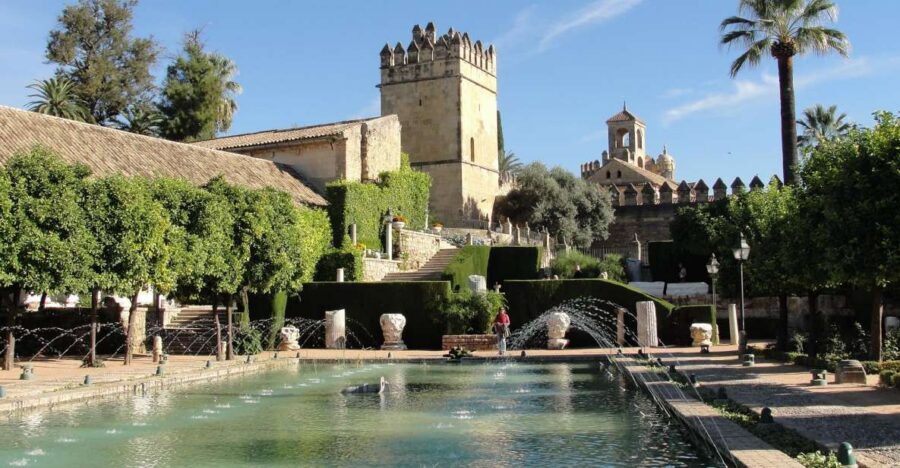
The Alcázar of Cordoba is one of those places where the building looks “small” at first, but the layers of time make it fascinating fast. A guided hour here works because it gives you a map in your head: Moorish palace roots, then the reign and politics of the Catholic Monarchs, and the later dark chapter when the Spanish Inquisition used parts of the site.
You get a focused walk through the key rooms and outdoor highlights, with a guide who connects details to the bigger story. The good part is that you aren’t rushed through random corners. Instead, you hit the spaces that explain the place.
And because this experience comes with skip-the-line tickets, you start the tour feeling like you’re ahead of the day. That matters in Cordoba, where “see it all” days can turn into a line-crowd-and-sweat marathon.
More Córdoba Alcázar & Mosque-Cathedral at the Alcázar & Seville
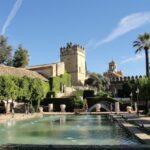


Fast Track Through the Entrance: Skip the Line and Get Your Time Back
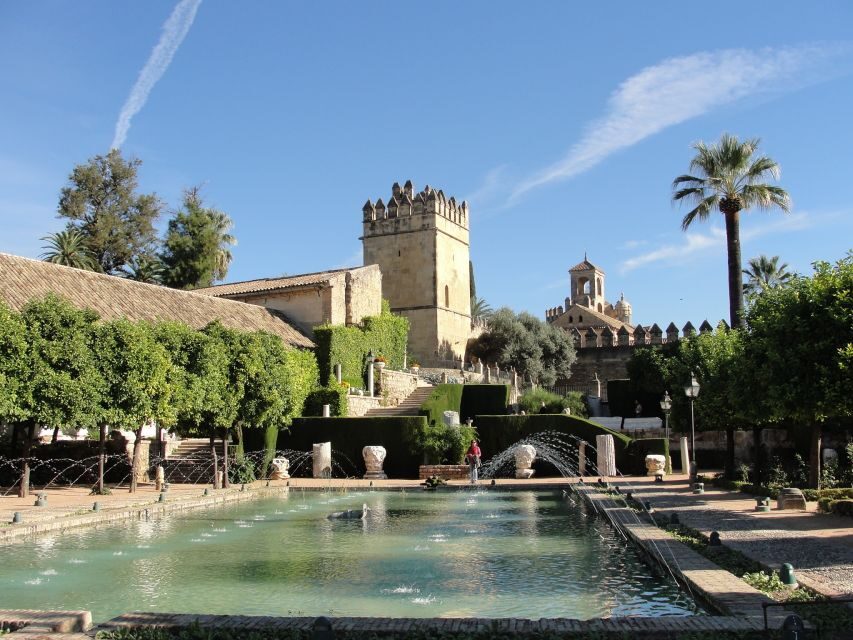
Let’s be honest: when a site has lines, the visit becomes about logistics instead of discovery. Here, you buy a calmer rhythm. With the skip-the-line ticket included, you avoid the worst of the waiting and go straight into the guided flow.
This is also where the guide’s presence really shows. Once you’re inside, you’ll hear how the Alcázar was built on older Moorish palace remains, and why that matters when you’re staring at architecture that looks like it came from two eras at once. Without a guide, you might walk through thinking, Nice—pretty rooms. With one, you start asking better questions: Why these motifs? Why these rooms? Why this layout?
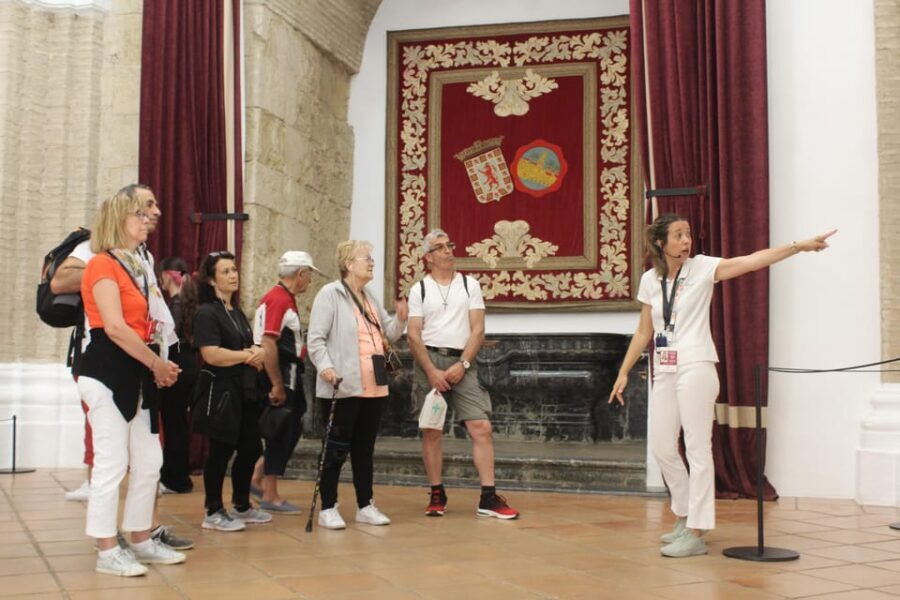
One practical note: the group can be larger at times, and the structure is historical and made of real spaces, not museum corridors. So moving through calmly is easier when everyone stays together. If you like a slow pace and lots of stops, you’ll probably appreciate arriving early so you’re settled before the guide begins.
The Catholic Monarchs’ Fortress-Palace: Columbus, Power, and the Inquisition
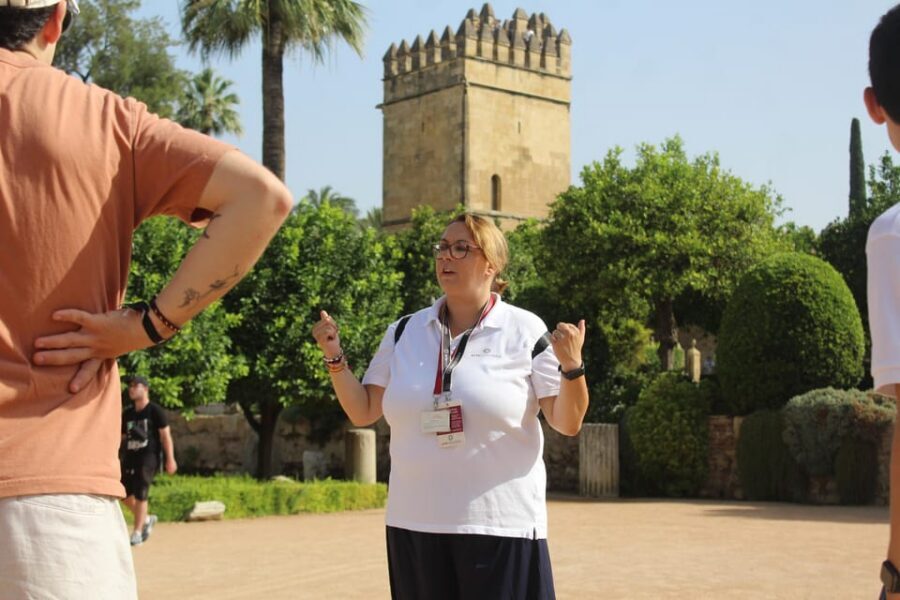
The heart of the tour is the former palace of the Catholic kings—Fernando and Isabel—and the fortress-palace feel that comes from the site’s history. This Alcázar isn’t just “pretty buildings.” It’s political geography. The architecture and rooms reflect who lived here, who ruled here, and how power was displayed.
A couple of anchor stories help you understand the place quickly:
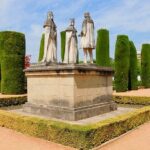
- Christopher Columbus met Fernando and Isabel here in 1486. That’s a huge date to keep in mind as you look around.
- The site was also associated with the Spanish Inquisition as a headquarters, which adds a darker edge to your visit.
As you move through the rooms, the guide’s job is to turn those names and dates into something you can see. For example, you’ll be helped to connect Moorish palace remnants to what the Catholic Monarchs changed or emphasized later. That’s the value of the guided format: it gives you a lens for seeing the building, not just walking through it.
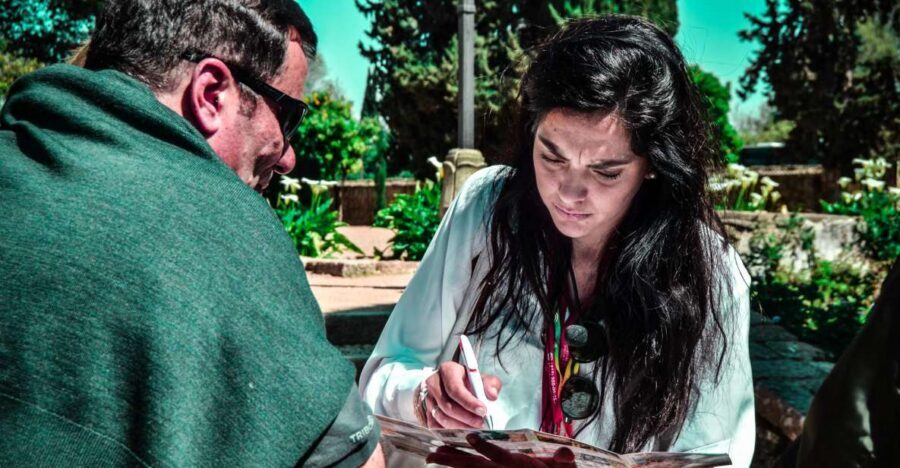
I also like that guides vary in style, but the best ones seem to share the same goal—making the site readable. You might hear engaging storytelling from guides such as Emilio or Maria, or more academic context from someone like Sarai, who was described as having archaeologist-level insight. If you’re someone who likes questions and explanations, this is the kind of tour where that usually fits.
Hall of Mosaics and the Royal Baths: Art You Can Actually Read
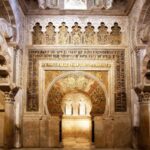
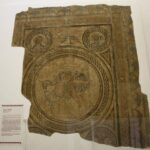
If you want one “wow” stop that’s not just a photo, the Salón de los Mosaicos (Hall of Mosaics) is it. Mosaics can look like decoration until you’re told what to notice. Here, the guide helps you spot patterns and understand the room as part of royal life—refined, intentional, and connected to the tastes of the ruling class.
Right after, the tour heads toward the Royal Baths, and this is where the Alcázar becomes visually rewarding in a specific way: bathing spaces, motifs, and a sense of comfort designed for status. You get to see how the site blends influences and how later rulers used existing structures and styles.
A good guide also makes this section move smoothly, because bathrooms and ornate rooms can feel similar if you don’t know what you’re seeing. With the right explanations, each space becomes distinct: different materials, different motifs, different purpose.
One thing I appreciate: the tour doesn’t treat the mosaics and baths as static “look at it” stops. It gives them meaning, so you come away remembering details, not just impressions. And yes—people sometimes expect a larger “inside-only” palace. If you’re hoping for a huge grand interior, you might feel the tour is compact. But that’s also why it works: you don’t get lost in time-wasting wandering.
Patio Morisco Baths and the Crenellated Tower: Views That Finish Strong
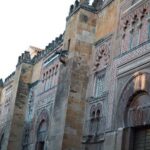
The Patio Morisco area is one of the most memorable visual transitions in the whole visit. This is where you see Moorish-style motifs and get a feel for the site’s earlier life before it became the Catholic monarchs’ world.
Even if your Spanish is basic or non-existent, this section is usually one of the most understandable because you can “read” the space with your eyes. Still, a guide helps you interpret what you’re seeing so you don’t miss the story hidden in the details.
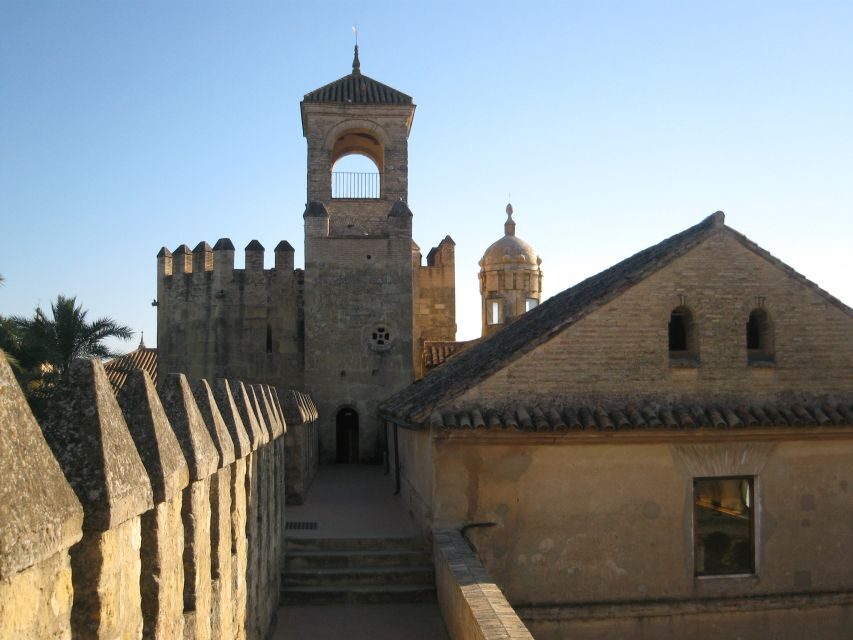
Then comes the climb: the crenellated tower. It’s not an extreme hike, but it is a payoff. From up there, you get a panoramic sense of how the Alcázar sits within Cordoba—how the gardens are laid out, how the fortress-like edges frame the spaces below, and how the entire site feels like a designed compound rather than random rooms.
This is one of those moments where the guided structure makes a difference. Without context, you’d see a tower and think, Okay, nice view. With the talk, you see why the tower matters: control, defense, and a commanding vantage that fits the palace-and-fort identity.
More Skip-the-Line Tickets at the Alcázar & Seville
Gardens Under Orange Trees: Pools, Fish Ponds, Fountains, and a Reset
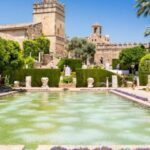
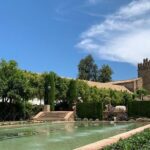
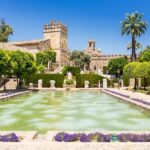
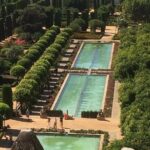
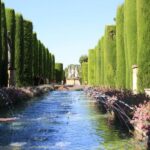
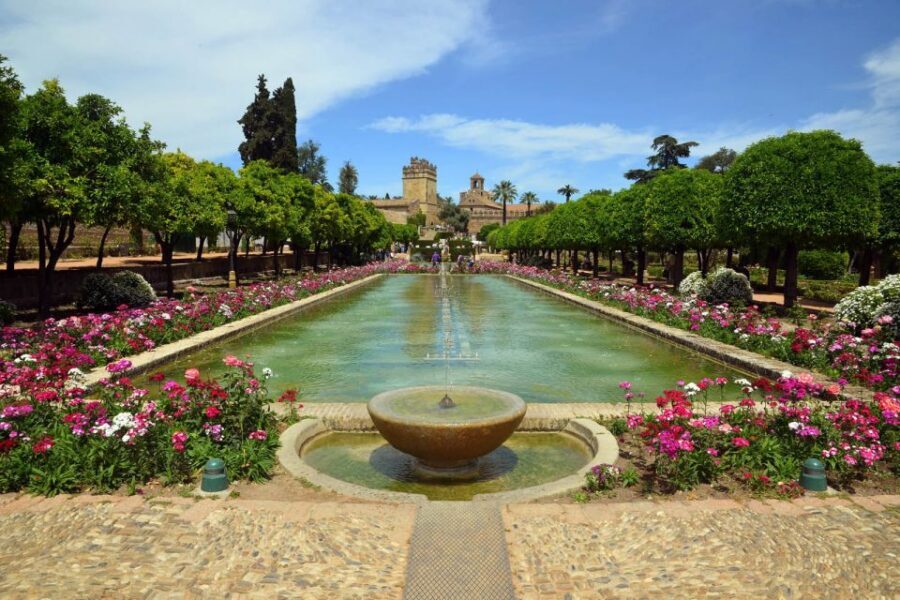
After the rooms, the tour shifts outdoors to the landscaped gardens. This is where the Alcázar becomes relaxing instead of just historical. The garden walk isn’t filler. It’s part of the design and part of the experience.
Expect features like:
- pools and fish ponds
- fountains
- orange trees
- walking paths that help you slow down
This outdoor section also gives your brain a break from dates and titles. You can absorb the place with your senses: shade, water, greenery, and that slightly lived-in feel of a garden that’s meant for leisure.
In Cordoba’s heat, orange trees and garden shade aren’t just pretty—they’re practical comfort. Even in cooler weather, it’s a nice counterbalance to the more formal rooms.
One practical tip based on real-world pacing: if you’re the type who likes photos, do your easy shots in the gardens first or last, depending on the crowd level. The garden is often where you’ll feel the most free to stop and look back at the building.
Price vs Value: Is $23 Worth Paying for This Hour?
At about $23 per person for a 1-hour guided visit with skip-the-line entry, the price can look high if you compare it to the ticket and think, I could do this on my own. And yes—there’s at least one strong argument for DIY.
But the best case for paying is simple: the Alcázar’s power comes from interpretation. It’s not a “massive rooms” monument where you can wander and automatically understand what you’re seeing. You’re walking through layered history—Moorish palace remains, Catholic Monarch symbolism, and the heavy Inquisition association. A guide turns that into a coherent story.
That’s why many people end up saying the guide was worth it: the explanations make the mosaics, baths, tower, and patios feel connected. One person even put it plainly—if you like history but don’t speak Spanish well, a guide helps you avoid feeling underwhelmed by what signage alone can’t explain.
So here’s the value calculation you can use:
- If you’re okay paying for context, this is good value because it compresses the most important interpretation into an efficient hour.
- If you love slow, self-guided roaming and you’re comfortable reading what you see without much explanation, you might save money by going alone.
Personally, I think the skip-the-line piece helps justify the cost on busy days. Time is part of the price, and saving time in Cordoba is often the difference between a good day and a messy one.
Best for First-Time Cordoba Visitors (and Who Might Prefer DIY)
This tour fits best if you want a “smart start” to Cordoba. It gives you a historic anchor and a sense of how the city’s layers connect—especially if you’re also planning to visit other major sites nearby.
It’s also a good match if:
- you like guides who tell stories, not just facts
- you want to know what to look for in mosaics and baths
- you’d rather spend energy learning than figuring out what a room means
- you’re short on time but want the highlights
It may feel less perfect if:
- you were hoping for a long, wandering palace visit
- you prefer to read everything at your own pace without a group structure
- you’re someone who needs lots of spare time to linger in one room for 20–30 minutes
Still, there’s a sweet compromise: the tour is short, and when you finish, you can usually take more time to explore the gardens and areas at your own pace. That combo—guided highlights plus self-directed wandering—is often the best of both worlds.
Guides Matter Here: The Difference Between Hearing and Understanding
One theme that keeps coming up is that guides bring the Alcázar to life. Not with hype—just with clarity and storytelling. People highlighted names like Emilio, Maria, Pedro, Patricia, Fatima, Álvaro, Enrique, and Olivia, and the common thread was how well the guide explained what you were looking at.
So if you’re picking a language, choose what makes you comfortable asking questions and catching details. The tour runs with live guides in French, Spanish, and English, so you should be able to find a language option that keeps you fully engaged.
Even if you’re not chatty, the guide’s explanations do something subtle: they help you notice. You start seeing motifs, understanding why a tower is where it is, and making sense of why a palace could be a fortress. That’s what makes the hour feel complete instead of rushed.
Should You Book This Alcázar Tour?
Book it if you want an efficient, interpretation-heavy visit with skip-the-line entry and a guide who helps you understand the building’s political and artistic layers. At $23 for a 1-hour tour, it’s a practical way to get the most from the Alcázar without turning your day into a queue-and-guess routine.
Skip it (or do DIY) if you’re the type who hates group pacing and prefers to roam slowly with minimal structure. DIY can work here—especially if you’re comfortable reading Spanish signage and you don’t mind piecing the story together yourself.
If you’re weighing it, my advice is simple: if you care about meaning—mosaics, baths, patios, and why Columbus mattered—this guided format is the better deal.
FAQ
FAQ
How long is the guided Alcázar tour?
The duration is 1 hour.
Is this a skip-the-line ticket?
Yes. The experience includes skip-the-line tickets.
What’s included in the price?
You get skip-the-line tickets plus a live tour guide.
What languages are the guides available in?
The live guide is available in French, Spanish, and English.
Does the tour run in bad weather?
The tour runs rain or shine, and weather conditions won’t cause cancellations.
Can I cancel for a refund?
Yes. You can cancel up to 24 hours in advance for a full refund.
Where do we meet for the tour?
The meeting point may vary depending on the option booked.