REVIEW · SEVILLE
Tour of the Alcazar of Seville
Book on GetYourGuide →Operated by White Umbrella Tours Seville · Bookable on GetYourGuide
Seville turns into a palace maze in 90 minutes. The Real Alcázar is one of Europe’s oldest still-in-use royal palaces, and a guided walk helps you read what you’re seeing instead of just snapping photos. This is Seville’s top monument for a reason.
I really like that the route hits the big named stops and keeps the pace moving: the Gothic Palace of Alfonso X, the Mudéjar Palace of Pedro I, and the Casa de la Contratación. And I also like the human touch of a live guide, with people highlighting guides like Julio and Sara for turning history into clear, scene-by-scene stories.
One thing to consider: the tickets are nominative, so you must enter everyone’s first name, last name, and ID/passport number exactly, and bring the required ID details on the day. If you’re even a little careless with names or numbers, it can slow you down.
In This Review
- Key highlights I’d plan around
- Why the Real Alcázar earns your time
- Meet at Calle Hernando Colón: what your 90 minutes really look like
- From the Gate of León to the patios: how the guide gets you oriented
- The three big building stops: Alfonso X, Pedro I, and Casa de la Contratación
- Gothic Palace of Alfonso X
- Mudéjar Palace of Pedro I
- Casa de la Contratación
- Court-to-garden pacing: Mercury Pond and Game of Thrones vibes
- Guide quality: what $45 buys you (and why it can be worth it)
- Who this tour suits best (and who might go DIY)
- Practical checklist: passport details and the nominative ticket rule
- If you should book: my straight answer
- FAQ
- How long is the Alcázar of Seville guided tour?
- Where does the tour meet?
- What does the guided tour include?
- Which languages are available for the guide?
- Is the tour wheelchair accessible?
- What should I bring for entry?
- Why do they ask for my ID or passport details?
- Where does the tour end?
- What cancellation options are available?
Key highlights I’d plan around
- Oldest royal palace in use in all of Europe, still functioning as a royal site
- Guided access to palaces and gardens (not just a quick exterior stroll)
- Muslim and Christian design layers, explained in plain terms
- Courtyards and buildings you can actually name, like Alfonso X and Pedro I
- Mercury Pond gardens, including the Game of Thrones filming connection
- Spanish-speaking or English-speaking guides, plus Italian and French
Why the Real Alcázar earns your time
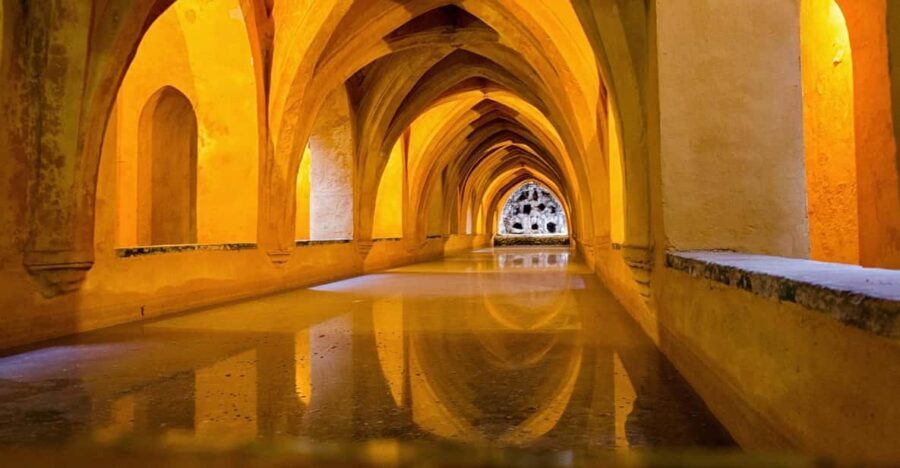
If you’re choosing just a few major “must-see” places in Seville, this one belongs near the top. The Reales Alcázares are a World Heritage Site since 1987, and the whole complex is built like a living history lesson. You’re not looking at one style or one era. You’re watching styles and rulers overlap.
What makes it special is how the place tells a story through architecture and layout. You’ll see Muslim and Christian vestiges side by side, and the guided commentary helps you connect the dots between what’s decorative and what’s political or practical. It’s one thing to admire tiles and arches. It’s another to understand why they were made that way, and what the palace was used for.
The other big draw is that this isn’t a museum that feels remote. It’s an active royal palace complex. That adds weight to everything you see, especially when your guide points out major moments tied to the royal household and the development of trade and administration in Seville.
More Real Alcázar of Seville at the Alcázar & Seville



Meet at Calle Hernando Colón: what your 90 minutes really look like
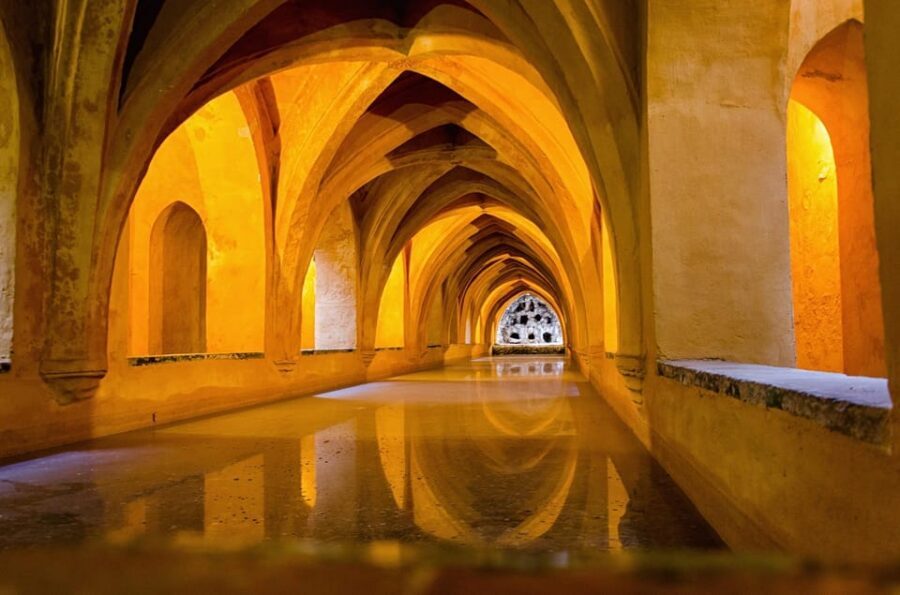
This tour meets at C. Hernando Colón, 6, at the meeting point in their tourism office area. From there, you head into the Real Alcázar complex for about 1.5 hours of guided walking.
That timing matters. The Alcázar is big enough that self-guided wandering can turn into accidental backtracking. A guided route is a practical way to get oriented fast: you pass major entry points, move through the most important interiors and courtyards, then land in the garden areas that most people remember.
Also note the good news: the tour is wheelchair accessible. So if you’re managing mobility needs, this is set up as a real sightseeing experience, not a “good luck with the stairs” situation.
From the Gate of León to the patios: how the guide gets you oriented
Your visit kicks off with the famous entrance area, described as the Gate of León, followed by gardens and the approach toward the palace core. The first stage is where a good guide can make or break your experience, because Seville’s historic sites can feel like a maze if you don’t know what matters.
This is where the commentary helps you build a mental map. Instead of only noticing pretty details, you learn what you’re looking at and why that courtyard, that garden path, or that entrance matters in the overall layout.
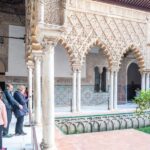
You’ll then reach the Patio de la Montería, a key transition point in the complex. This courtyard acts like a hub where the tour lines up the three major buildings you’ll be focusing on next. It’s a smart sequence: you get the emotional payoff of the outdoor space, then step into the architectural “chapters” one by one.
The three big building stops: Alfonso X, Pedro I, and Casa de la Contratación
This is the heart of the tour, and it’s also where the guide’s explanations pay off the most. The plan is built around the three major buildings you’ll come to know by name.
Gothic Palace of Alfonso X
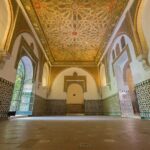
You’ll see the Gothic Palace of Alfonso X as one of the standout structures of the complex. The value here isn’t just the Gothic look. It’s the way the palace uses form to communicate authority. When the guide explains what to notice, you start seeing how the design supports royal life and ceremony.
Even if Gothic architecture isn’t your main interest, I’d still prioritize this stop because it helps you understand the palace’s layered timeline. Seville’s power didn’t sit still, and the Alcázar reflects that.




Mudéjar Palace of Pedro I
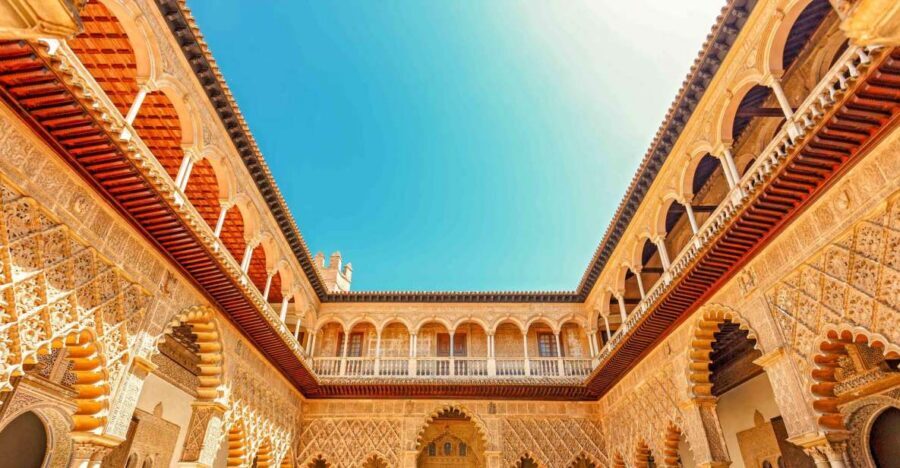
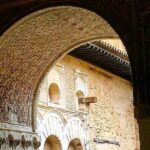
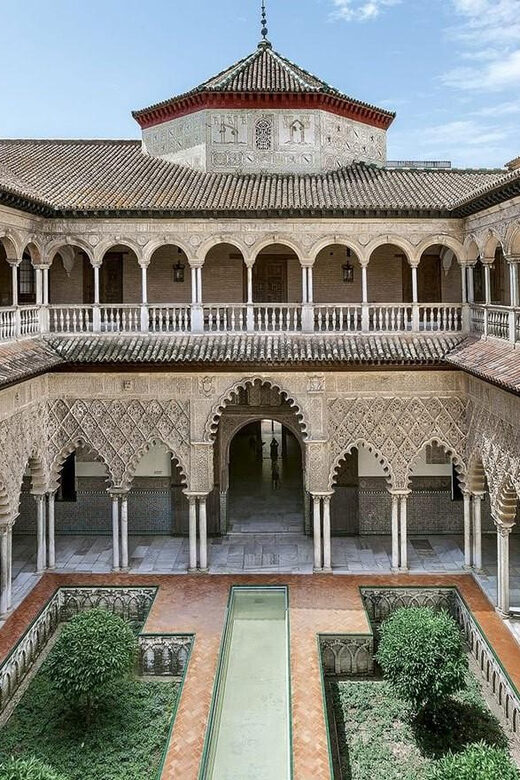
Next is the Mudéjar Palace of Pedro I. This is often the moment where people say, wow, that tilework and those details feel like they belong to another world.
The guide’s job is crucial here. Mudéjar art can look overwhelmingly decorative if you’re just scanning. But with a live explanation, you learn how the style works, what elements were designed to impress, and how it fits into the wider Muslim-Christian blend of the site.
Casa de la Contratación
Then comes the Casa de la Contratación, which shifts you from pure visual wonder into the palace’s role in administration and trade.
This matters because the Alcázar isn’t only about personal comfort or royal display. It’s also connected to major historical events like the creation of the first Casa de la Contratación, tied to the organization of Spanish trade. When your guide brings this into context, the building stops being “another room” and becomes a symbol of how Seville connected to larger world events.
Court-to-garden pacing: Mercury Pond and Game of Thrones vibes
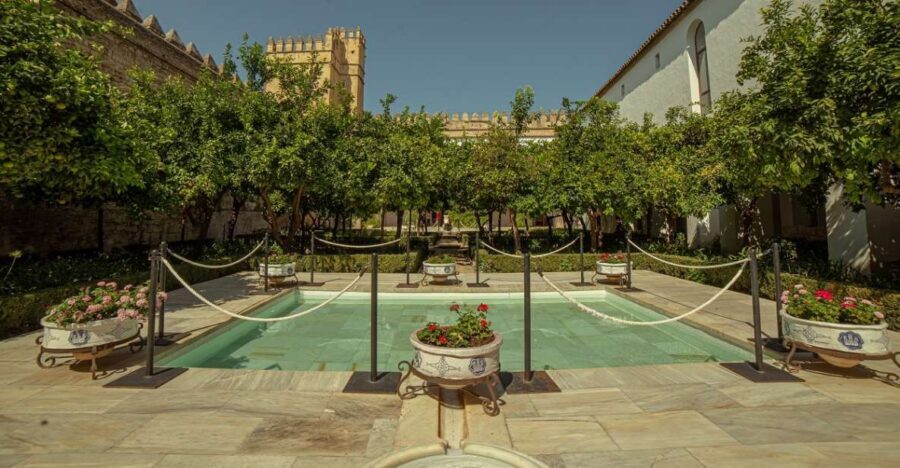
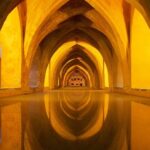
After the big palace interiors, the tour moves toward the garden areas, including the Mercury Pond and surrounding grounds. This part is where the Alcázar becomes more than architecture. It becomes atmosphere.
The Mercury Pond gardens are also famous as a Game of Thrones filming location, which means you might spot visual cues that fans recognize. I’d treat this as a fun bonus, not the main reason to be there. The real win is what the gardens do for the experience: they give your eyes a break, create a slower pace, and help you absorb the complex as a whole.
If you love travel that mixes art, storytelling, and a little pop-culture reference, this is a satisfying ending. If you only care about interiors, you might feel the time here is less intense. But even then, it’s worth it because the gardens are part of how the Alcázar communicates wealth, comfort, and power.
Guide quality: what $45 buys you (and why it can be worth it)
At $45 per person for a 1.5-hour guided tour, you’re paying for two key things: a live guide and a curated path through the palace’s most important zones.
If you go on your own, you can still see a lot. But in a complex this dense, self-guided time often turns into figuring out what you should prioritize. Paying for a guide can be value-smart because the tour is structured around the named highlights and the historical connections that make those highlights make sense.
The guide experience is also a recurring theme in positive feedback. People have specifically praised explanations like history-by-scene storytelling, and there’s mention of guides such as Julio and Sara doing exactly that: clear, organized explanations that make the palace feel understandable instead of overwhelming.
So the real question isn’t whether you’ll enjoy the Alcázar. You will. The question is whether you’ll enjoy it more with context—and this format is designed to deliver that.
Who this tour suits best (and who might go DIY)
This guided tour is a strong fit if you:
- want the main palaces and gardens without spending your whole day trying to plan the route on the fly
- enjoy history when it’s tied to what you’re actually looking at, not just dates
- prefer a live guide over an audio device for understanding complex style changes
- like tours where the guide can adjust the experience if your group ends up smaller
It may be less ideal if you:
- only want the palace for wandering at your own speed and don’t care about the historical framing
- plan to focus strictly on one single building style and nothing else
That said, even if you’re a slower walker, this is still a good structure because it’s built around a coherent path. You’ll know where you are in the palace story.
Practical checklist: passport details and the nominative ticket rule
Here’s the part that can catch people off guard. Entry to the monument requires personal details in advance, because tickets are nominative.
You’ll need to provide, for every person:
- first name and last name
- ID or passport number
On the day, bring the required identification info. The tour listing also notes that you should bring documentation such as your passport or ID card, and it even mentions passport-sized photo requirements. Copies are accepted, and the safest approach is to bring both the ID details you used for the booking and a photo copy or backup copy.
This is also why I recommend setting aside a few minutes at booking time to double-check spelling. A tiny typo in a passport number can become an avoidable headache at entry.
If you should book: my straight answer
Book it if you want Seville’s most important royal palace experience with a route that actually helps you understand what you’re seeing. For $45 and about 1.5 hours, you’re getting a guided walk through the core palace interiors and key garden areas, plus a live guide who can connect the Muslim-Christian mix and major historic moments.
Skip (or consider a different style of ticket) if you hate being guided, are extremely detail-focused on only one building, or you’re not willing to be careful with your personal ID details. The nominative ticket rule means you should show up organized.
If you do like guided context, this is the kind of tour that turns the Alcázar from impressive into memorable.
FAQ
How long is the Alcázar of Seville guided tour?
The tour lasts about 1.5 hours.
Where does the tour meet?
The meeting point is Calle Hernando Colón, 6 (in the tourism office).
What does the guided tour include?
It includes a guided visit inside the Alcázar, covering the palaces and gardens.
Which languages are available for the guide?
Guides are available in Spanish, English, Italian, and French.
Is the tour wheelchair accessible?
Yes, the tour is listed as wheelchair accessible.
What should I bring for entry?
You should bring the required identification such as your passport or ID card, and the tour information notes a passport-sized photo as part of what to bring.
Why do they ask for my ID or passport details?
Tickets are nominative, so you must provide each person’s first name, last name, and ID/passport number to purchase them properly.
Where does the tour end?
It finishes at the Real Alcázar de Sevilla.
What cancellation options are available?
The activity states free cancellation up to 24 hours in advance for a full refund, and it also notes that monument tickets are nominative and non-refundable, with visit money potentially refundable if 48 hours’ notice is given.